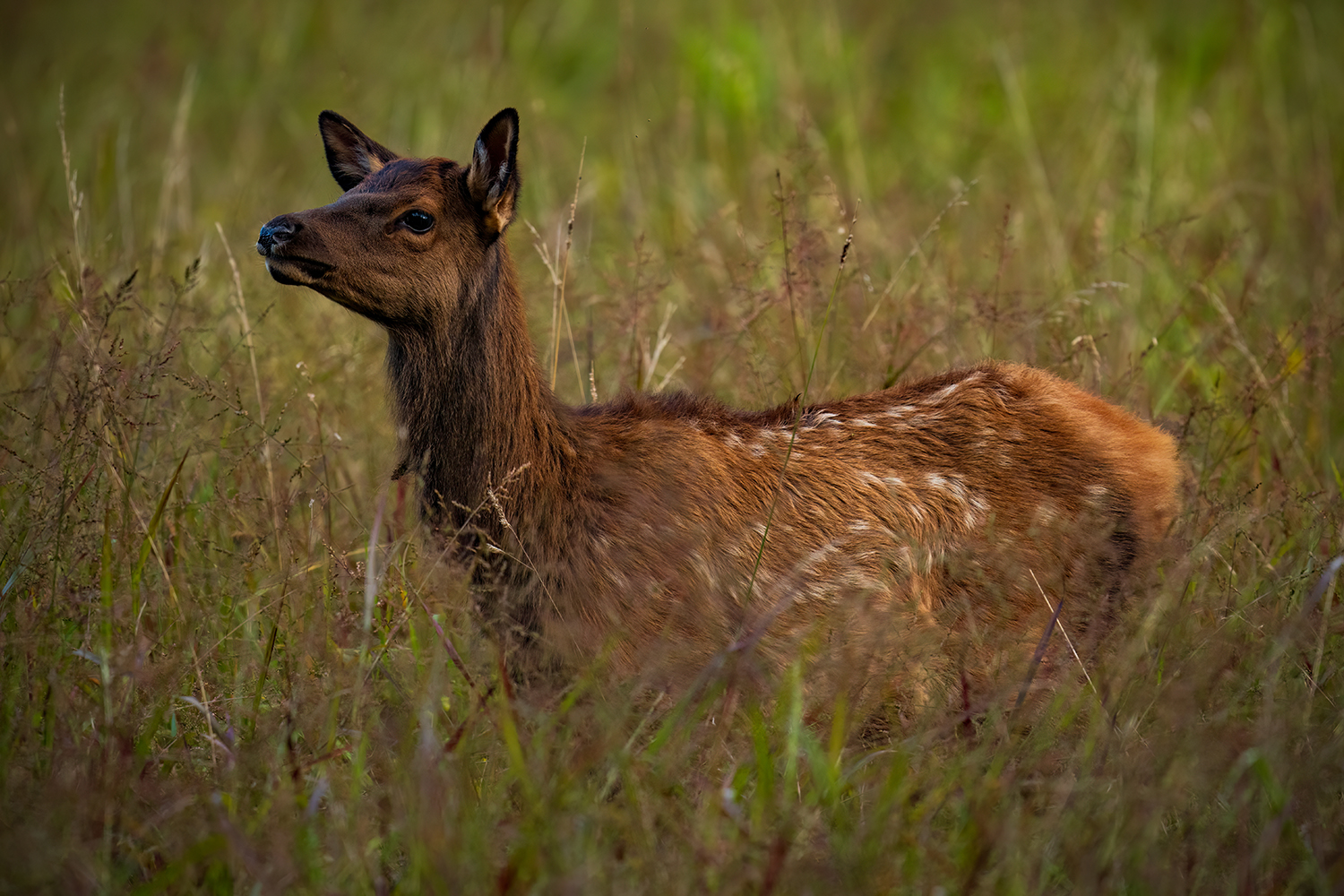
 When coming across a newborn elk, be aware that the mother is likely close by. Do not approach the calf. Courtesy/LAC
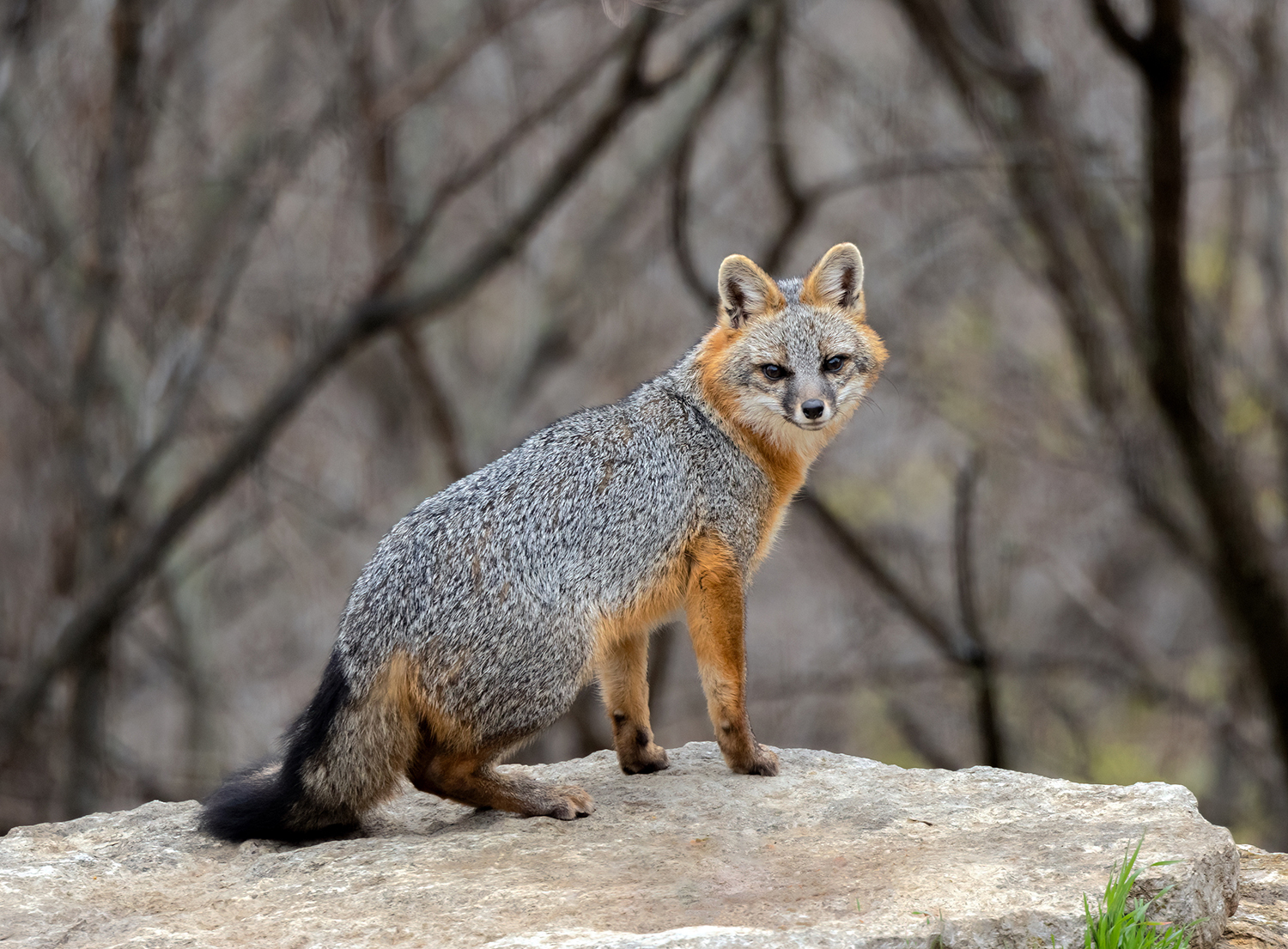 Never feed foxes! Courtesy/LAC
COUNTY News:
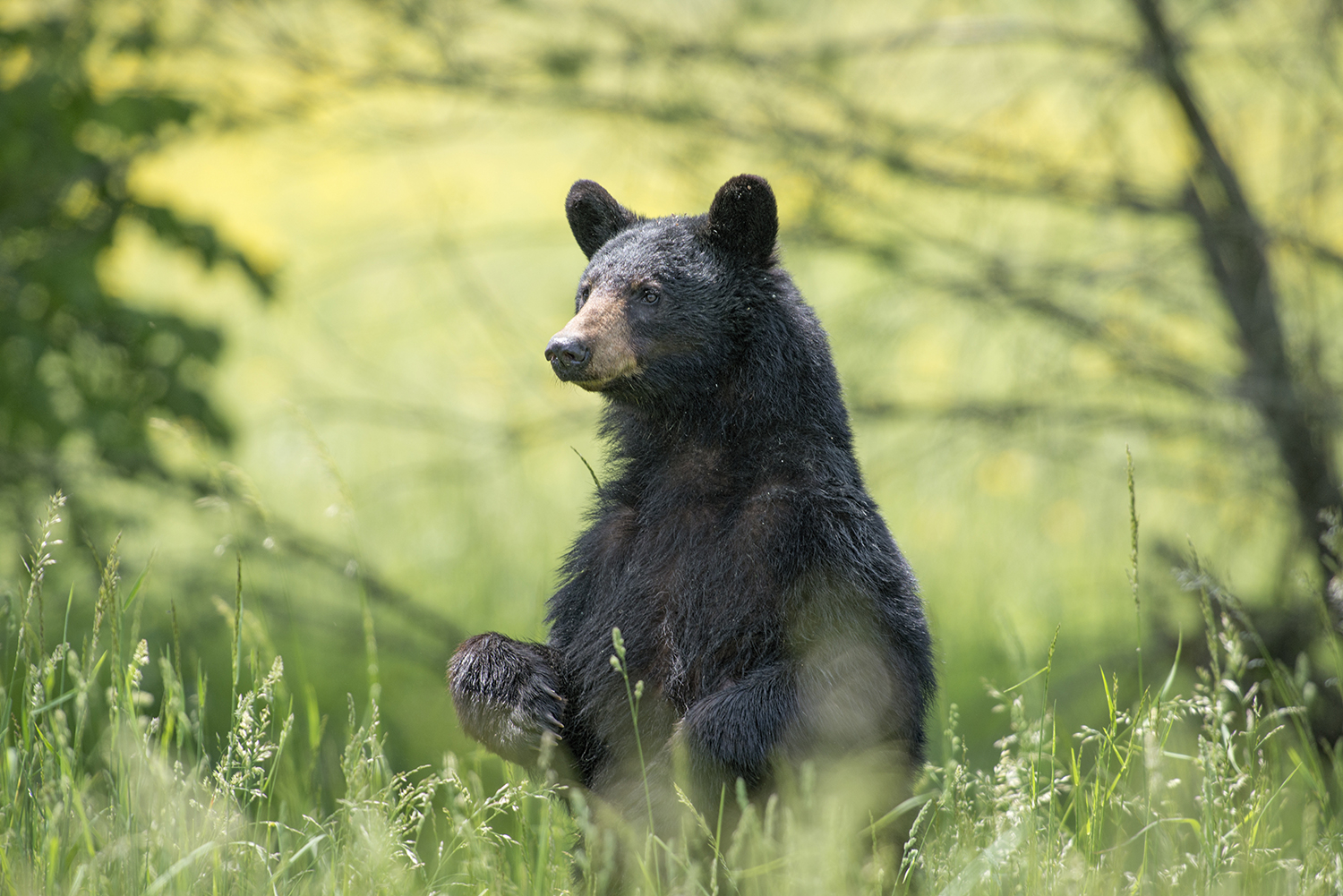
New Mexico Game & Fish (NMG&F) has reported an unusually high volume of wildlife complaints in recent days involving large predators. The behavior exhibited by these animals is not typical during this time of year nor in these conditions. In several of these incidents, large predators have gone after livestock and pets and, on one occasion, fully entered an occupied dwelling.
The County is asking the community to stay vigilant, follow best practices, and pay close attention to livestock and pets. Please remove any food sources from the outdoors and secure access points to homes appropriately.
Anyone who does have an encounter is asked to contact the local NMG&F District Officer or call center (see contact information below). For additional tips on how to keep oneself, pets and property safe from dangerous wildlife encounters, visit the NMG&F website and read the Living with Large Predators brochure.
It’s Elk Calving Season: Please Don’t Touch!
Elk calving season is from mid-May to early July. NMG&F receives numerous calls each year during this time from concerned individuals who find what they think are orphaned or abandoned elk calves. Some people pick up the animals and take them to local veterinarians, zoos, or their local Game Department offices. While there is no intention of harming the young animals, people need to realize that picking up these babies greatly decreases their chances of survival.
Elk calves have white spots at birth and weigh between 30-40 pounds. Within 30 minutes of birth, they can stand and nurse. They gain over one pound per day! For the first few days of their life, instinct tells them to remain motionless and hide from any potential predators, but after about five days, they have gained enough weight and strength to keep up with their mother. Mother and calf will then rejoin the herd after about 7-14 days.
When comming across a newborn elk, be aware that the mother is likely close by. Do not approach the calf.
Use common sense and follow these tips:
- Don’t approach it. Watch it or take a photo of it from a distance, but don’t go near it. In almost every case, the young animal has NOT been abandoned by its mother. In addition, female elk, or cows, become irritable and highly protective of their young calves. You might be putting yourself in danger!
- Don’t touch it or pet it. Finding and petting newly born animals is a problem because their survival depends on being left alone and undetected by predators. If you touch an animal, you may leave your scent on it, which could attract predators.
- Give it plenty of space. Even if you don’t touch the fawn or calf, getting too close can cause it to run away from you, resulting in the animal using the energy it needs to survive.
- Never attempt to remove a fawn or calf from the wild or take it home. NMG&F officers occasionally respond to instances where an individual has taken a baby deer or elk home to “care for it.” However, that often has fatal consequences for the animal and can also create public safety risks as the animal matures. If you believe that a baby animal is injured or sick, report it to the NMG&F call center.
How to avoid problems with Gray Foxes
The mere presence of a fox should not be perceived as a problem, and foxes should not be feared. However, those who are uncomfortable with the presence of foxes can take certain actions to reduce the chance of problems.
These tips will also help avoid encounters with large predators:
- Do not allow pets to run free! Keep cats indoors, particularly at night, and small dogs on a leash and always under close supervision.
- NEVER feed foxes! DO NOT put out food for any animals. Feed pets indoors. Clean up fruit dropped from trees and bird seed below feeders. Secure garbage in animal-proof containers and store it in a garage or shed. Whether direct or indirect, feeding can cause foxes to act tame and may lead to bold behavior over time.
- Close off crawl spaces under decks and sheds. Foxes will use these areas for resting and raising young.
- Protect livestock. Foxes will prey on small livestock, such as ducks, chickens, rabbits, and young lambs, but generally do not bother larger livestock. Livestock can be protected with secure pens, coops, or fencing. Ensure the enclosures prevent entry from above and below, as foxes will dig or squeeze under poorly maintained fences and may climb over small fences. Most predation occurs at night, so providing protection at that time is particularly important. Some electric fence designs can provide good protection and will deter other predators like coyotes and black bears.
- Use frightening techniques. Human presence often deters foxes. Foxes that travel into residential yards can be harassed or scared by loud noises, bright lights, or spraying water from a hose. Disturbing a den site physically or with unnatural odors (e.g., mothballs) during spring may prompt foxes to move to another den, which may be farther away.