 By JAMES WERNICKE
Bike Park Working Group Member
Outdoor, all-ages, all-abilities recreation that fosters physical health and social connection is as much a part of Los Alamos’s identity as its scientific legacy.
We are a community that plans and deliberates carefully—perhaps to a fault—and consistently expresses that we value our natural assets, quality of life, fiscal responsibility, and operational excellence.
While some may view it as “excessive”, the proposed North Mesa Bike Park represents a fiscally prudent, environmentally responsible, and community-supported investment in recreation, education, and economic vitality.
First, let’s talk about community support. The County’s public engagement process for the bike park has been exemplary. A community-developed survey drew participation from a broad cross-section of residents and showed strong majority support for building a bike park, even among those who don’t bike. The consultant Sites Southwest has hosted well-attended community engagement sessions and incorporated the feedback into their plans. Youth have expressed a lack of things to do locally, and for a generation that’s spending less time outdoors, this facility offers a safe, inclusive place to learn, play, and build confidence.
Second, the Bike Park Working Group — composed of community parents, environmental and accessibility advocates, and recreation enthusiasts, young and old — has gone to great lengths to make sure this project addresses community concerns. They’ve emphasized environmental sustainability, ensuring designs minimize disturbance, resist erosion, and use cost-effective materials. They’ve recommended including interpretive and cultural education elements, highlighting Los Alamos’ landscape and history, and providing features that are accessible, fun, and challenging for all abilities.
Third, the County has shown fiscal responsibility throughout the process. The project’s cost is modest compared to other capital investments, and it’s being managed with transparency and discipline. Sites Southwest has demonstrated it is committed to community engagement and sustainable design, while builders American Ramp Co. and Rocket Ramps are recognized regional leaders in constructing long-lasting, low-maintenance bike facilities. Their recent projects in the Southwest have consistently come in on budget and maintenance cost projections.
This is not a “legacy edifice”. It’s an investment in infrastructure that pays dividends. Communities like Oakridge, Oregon, and Duluth, Minnesota, have seen substantial returns from similar investments in bike parks and trail systems, both in tourism and local business spending. For Los Alamos’s local businesses, increases in visitor activity translate into more sales, and for local government, more gross receipts tax revenue, which funds public safety, maintenance, and community services.
Finally, it’s worth repeating: this project embodies our community’s values. Los Alamos County’s Comprehensive Plan and Strategic Leadership Plan call for exactly this kind of project — one that enhances recreation, supports youth, improves mobility, and boosts local businesses while respecting the environment. Choosing to forgo this opportunity because of cost would be, as the saying goes, penny wise and pound foolish.
The Bike Park is not a frivolous project. It’s a thoughtful, community-driven investment that balances fiscal discipline, environmental stewardship, and the well-being of our residents. In uncertain times, building connection, outdoor activity, and youth engagement isn’t a luxury. It’s a wise investment in long-term community resilience.
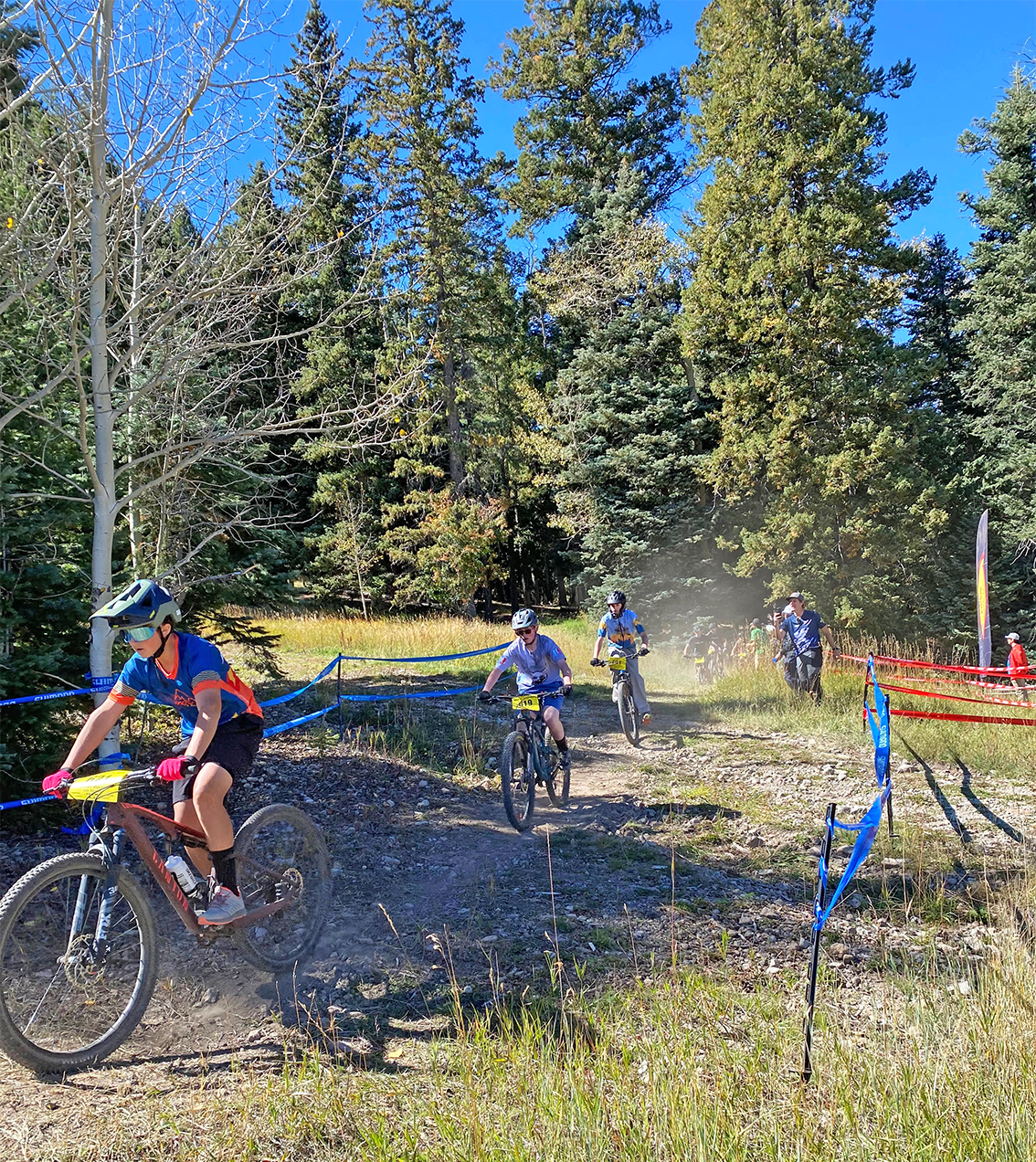 Scene of bike riders on a local trail. Courtesy photo