A native of the San Francisco Bay area, Daniel Hsu, one of the youngest competitors at age 19, studies at the Curtis Institute. Courtesy photo
 South Korean competitor Dasol Kim, 28, studies at the Hochshule fur Musik in Hanover, Germany. Courtesy photo
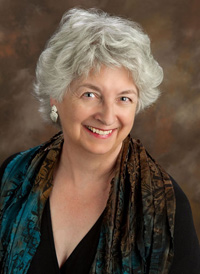 By Ann McLaughlin
Artistic Director
Los Alamos Concert Association
The penultimate round of the Van Cliburn International Piano Competition is finally under way. Twelve semi-finalists will each play a 60-minute recital and a Mozart concerto with the Fort Worth Symphony.
Last night 19-year-old Daniel Hsu, one of the two Americans still remaining in contention, opened the round with a luscious performance of Schubert’s “Four Impromptus,” D.899, op.90. For me, it was the highlight of the evening and puts him in contention for a spot in the finals. I also give him points for playing (beautifully!) one of my great favorites, Brahms’ “Variations on a Theme of Handel.”
South Korean Dasol Kim played a program that included Mendelssohn’s “Scottish Sonata” and Schubert’s monumental “Sonata in B-flat Major, D.960,” which, incidentally, would have been played in Los Alamos by Ingrid Fliter in May had she not been forced to cancel her appearance. In between those two works Kim played an Impromptu by Russian composer Nikolai Kapustin, a composer new to me. What a change of pace! Kapustin creates virtuosic repertoire that sounds like the most flamboyant jazz improvisation you can imagine. If you like jazz piano, get to know Kapustin! Dasol Kim played well and this piece gave us a different slant on his musical personality.
The Cliburn has embraced technology to enhance the competition experience for those of us in attendance and to extend that experience to the Fort Worth community and around the globe.
Bass Performance Hall seats more than 2,000 people so it isn’t what you’d call a cozy venue, but the large video screen over the stage creates the illusion of intimacy. A camera feed to that screen allows the audience to look over the right shoulder of the performer so everyone in the hall has a great view of those hands on the keyboard. The first time I encountered this innovation I thought it would be a distraction, but I truly think this is the future for concert venues whose size places the audience at such a remove from the performers.
The entire competition is streaming live through the Cliburn’s Medici.tv partner at https:////cliburn2017.medici.tv/en/. These broadcasts include commentary, interviews, short documentaries and competitor profiles, all hosted by Elizabeth Joy Roe and Greg Anderson, the Anderson and Roe Piano Duo. At last report, more than 400,000 people around the globe had tuned in to these web casts. I’ve even seen people in the hall watching the live fed on their phones during intermission because those interviews are great.
The final concerto performances and the medal ceremony will be screened live in some 300 movie theaters nation-wide including two screens in Albuquerque. Get the schedule and your tickets at https://www.fathomevents.com/events/van-cliburn-competition. Running time will be more than five hours, so be prepared to buy plenty of popcorn. Rachmaninoff and junk food! Perfect!
One block from Bass Hall is a gorgeous plaza called Sundance Square. The final concerto performances and the awards ceremony will be broadcast live on huge outdoor LCD screens in the Square so the entire Fort Worth Community can be a part of this splendid event free of charge. I’ll be pretty tempted to watch from there with a margarita in my hand from the cash bar.
The Cliburn Organization has set the gold standard for competition format, nurturing of competitors and engagement of the host community. Now they are at the forefront of using digital technology to bring classical music to a larger audience. Concert presenters around the globe should be paying attention.