Science

This Week From AGU: Cosmic Ray Intensity Can Warn Of Unexpected Geomagnetic Storms

AGU News:

Nominations for 2022 AGU journalism awards open through 1 April:

AGU is accepting nominations for two of our journalism awards: the David Perlman Award for Excellence in Science Journalism—News and the Walter Sullivan Award for Excellence in Science Journalism—Features. Submit a nomination by 1 April. [AGU journalism awards]

Featured videos:
Moving sands reveal evening breezes on Mars:

Repeat images of the Martian ground by cameras onboard the Curiosity rover provide a rare look at wind-blown sand movement on Mars. The images reveal near-daily migration of sand ripples toward Read More

LANL: Attention All New Mexico Middle And High School Girls – Apply For Free Summer Physics Camp

LANL News:

New Mexico middle- and high-school girls are encouraged to apply for a free, two-week, virtual Summer Physics Camp for Young Women, taught primarily by the women scientists and engineers of Los Alamos National Laboratory, June 6-17, 2022.

The application deadline is April 3, 2022.

Campers will receive materials for conducting hands-on experiments and group projects at home while attending virtual presentations and demonstrations.

Previous camps have covered topics such as the Mars Perseverance Rover’s OrganiCam, led by R&D Laser Engineer Adriana Reyes-Newell, and Read More

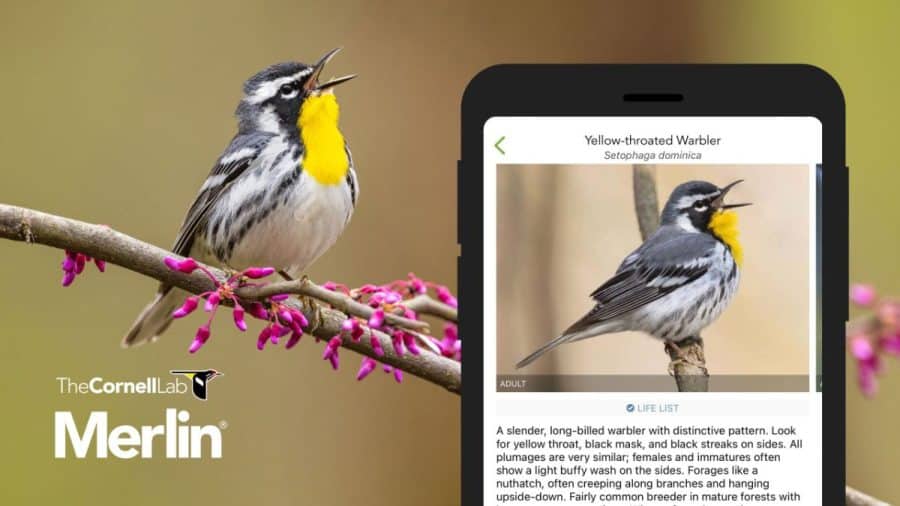
Cornell Lab Of Ornithology Hosts Free Zoom Webinar

Courtesy/Cornell Lab of Ornithology

Cornell Lab of Ornithology News:

The Cornell Lab of Ornithology is hosting a free Zoom webinar ‘Preparing for Spring Birding–A Merlin App Q&A’ noon to 1 p.m. (EST) Tuesday, March 8.

Description: The free Merlin Bird ID app can help to identify birds by sight or sound, anywhere in the world! But Merlin is more than just a bird ID wizard. Merlin also is a powerful field guide that can track your life list and help you become a better birder.

Discover all that Merlin can do and get your questions answered by the Merlin Team during this live Q&A. Submit Read More

Santa Fe Institute Launches New Research Theme On Emergent Political Economies

From Detroit Industry, North Wall, 1932-33, fresco by Diego Rivera. Courtesy/Detroit Institute of Arts

SFI News:

The Santa Fe Institute (SFI) has received funding for a new five-year research theme on emergent political economies.

The theme, funded by a $6.5 million grant from the Omidyar Network, will take up the ethical imperative to develop better theoretical frameworks and methods to understand the social, ecological, and material inequalities at the core of the modern economy, as well as imagine the role that innovation will play in emergent political economies of the future – both Read More

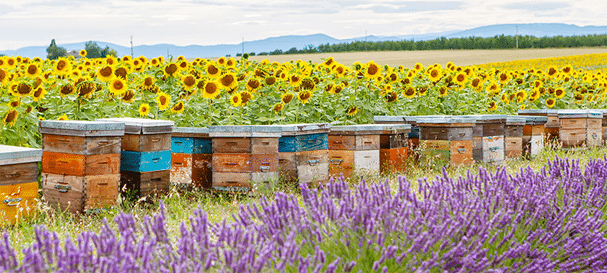
USDA: Pollinators Benefit Health And Environment

Beehive boxes surrounded by sunflowers. Photo by Irina Schmidt

USDA News:

WASHINGTON, D.C. — Today, an invasive pest that directly attacks pollinators indirectly threatens plant health—and U.S. agriculture.

That’s where USDA’s Plant Protection and Quarantine (PPQ) program comes in. The Plant Protection Act (PPA) authorizes USDA to regulate direct and indirect plant pests. That’s a critical responsibility when it comes to pollinators because bee pollination is responsible for $15+ billion in added crop value—particularly for specialty crops such as almonds and other nuts, berries, Read More

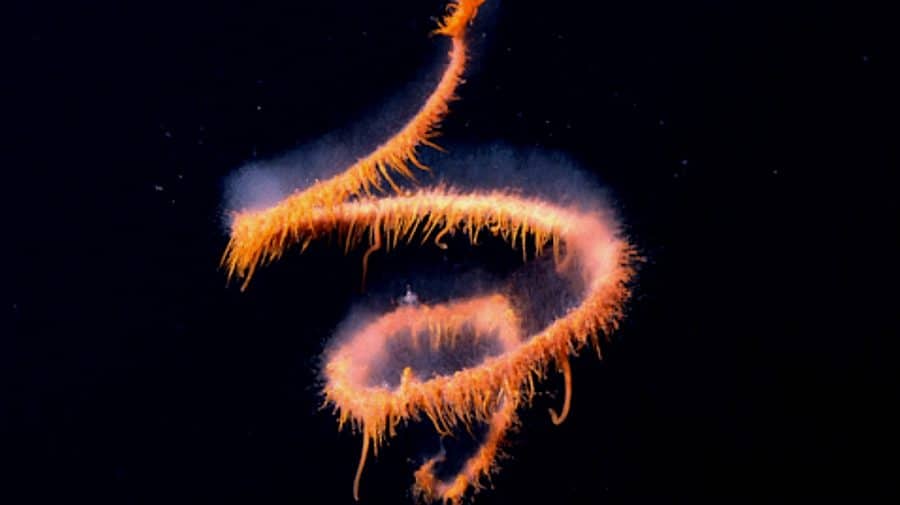
AGU: Deep-Sea Videos Reveal Secrets Of Swimming Jellyfish Cousins

A siphonophore swimming through the water column. Full video is available on AGU’s YouTube channel. Courtesy/Monterey Bay Aquarium Research Institute.

AGU News:

WASHINGTON — New videos of fragile, spindly deep-sea creatures called physonect siphonophores reveal how their specialized jet-powered members propel their colonies through the world’s oceans.

The findings could help reveal new information about these elusive creatures and inform designs of novel underwater vehicles.

Siphonophores are marine organisms, similar to jellyfish. They are long, thin colonies made up of dependent, Read More

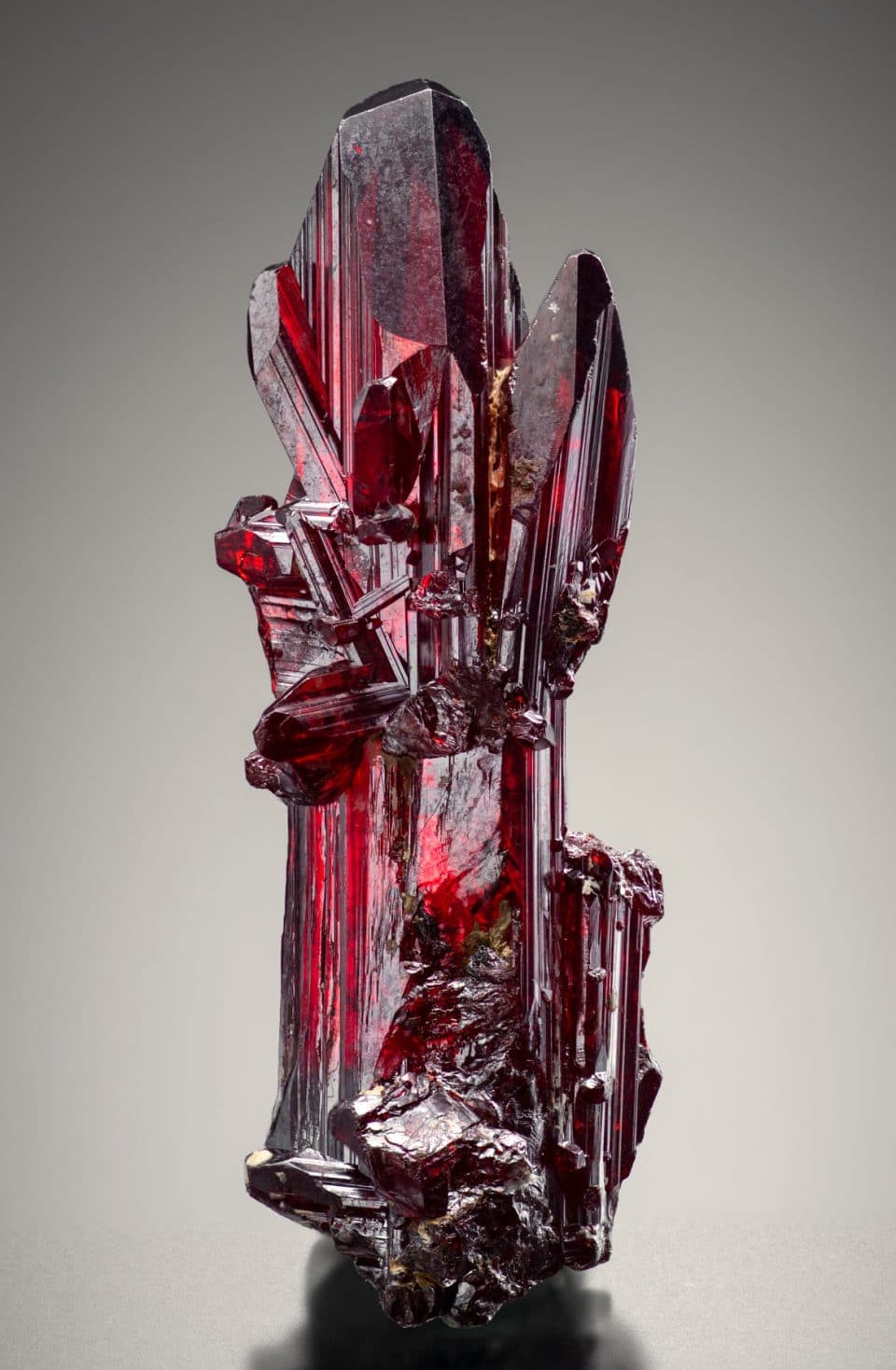
Wallace: 1859 – Mines Of Chanarchillo

This figure is a very fine Chanarcillo proustite (3.8 cm tall) that originally was sold to the British Museum of National History in 1876 (Terry Wallace obtained this specimen in 1983). Photo by Jeffrey A. Scovil


By TERRY WALLACE
Los Alamos

When silver runs as “the blood of the bull”: Chanarchillo. A number of silver species are varying shapes of the color red, and collectively these are commonly referred to as the “ruby silvers”. The distinctive color made the ruby silvers one of the earliest silver ores studied – Agricola wrote about the “argentum rude rubrum” in the 16th century.

The most

Read More

Los Alamos STEAM Lab Offering Weekly Coding Club

Courtesy/LA Steam Lab

Los Alamos STEAM Lab News:

Los Alamos STEAM Lab will be offering a weekly coding club at its new location in Central Park Square.

The club is appropriate for kids in first through eighth grade and at all levels of coding experience and interests.

Possible activities include:

  • Bitsbox cards – quick and shareable template based projects using a javascript derivative
  • CMU Academy – fully featured curriculum using Python and a drawing library
  • Scratch – online block based coding suitable for emerging readers
  • Bring your own project – mentored support
Read More

Air Force Research Laboratory Holds Collaborative Space Domain Awareness Event At Kirtland AFB

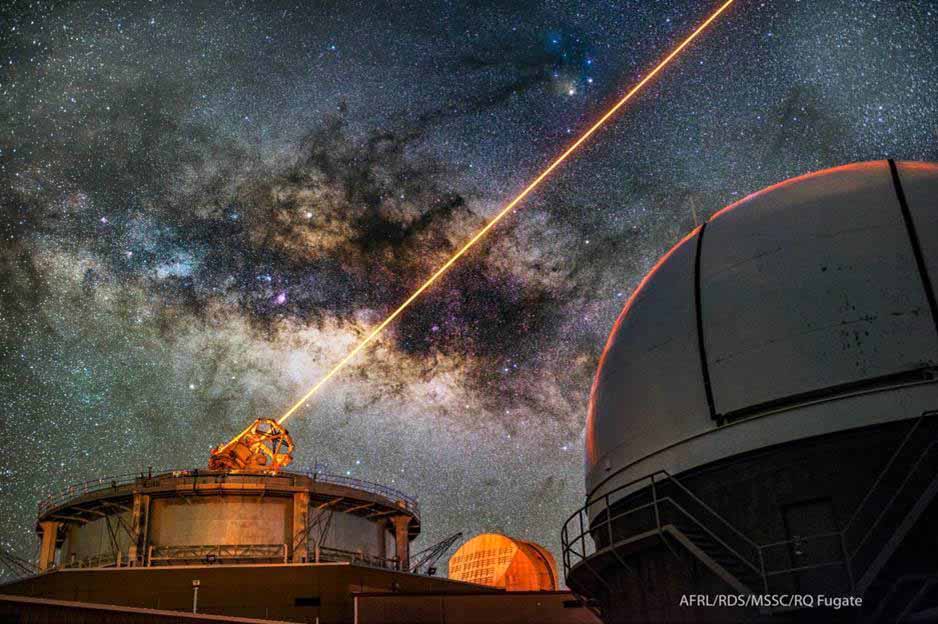
The night sky above the Air Force Maui Optical Supercomputing Site’s Maui Space Surveillance System on the summit of Haleakala, site of many AFRL space domain awareness sensors. Photo/Dr. Robert Q. Fugate/AFRL)
By JEANNE DAILEY
AFRL Public Affairs

KIRTLAND AFB – The Air Force Research Laboratory (AFRL) Space Vehicles and Directed Energy Directorates hosted the 9th Annual Space Domain Awareness (SDA) Leadership Workshop at Kirtland AFB, Jan. 25-27.

 More than 100 senior leaders from across the Department of Defense and government laboratories participated in the combined in person and Read More

AGU: ‘Blue Blob’ Near Iceland Could Slow Glacial Melting

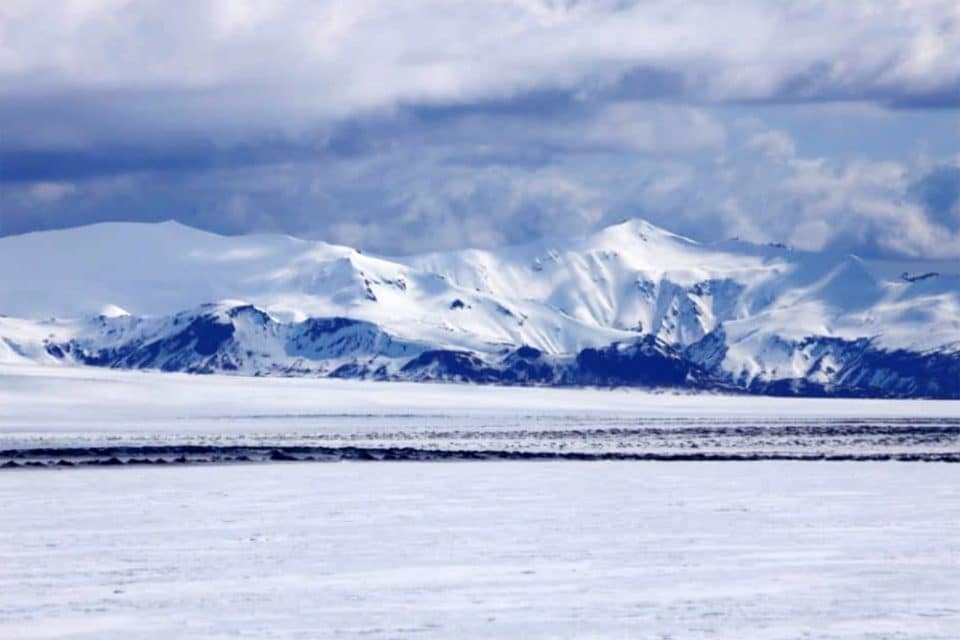
A recent slowdown in melting of Iceland’s glaciers is likely caused by a patch of unusually cold water in the North Atlantic Ocean, according to a new study published in the AGU journal Geophysical Research Letters. Courtesy/Finnur Pálsson

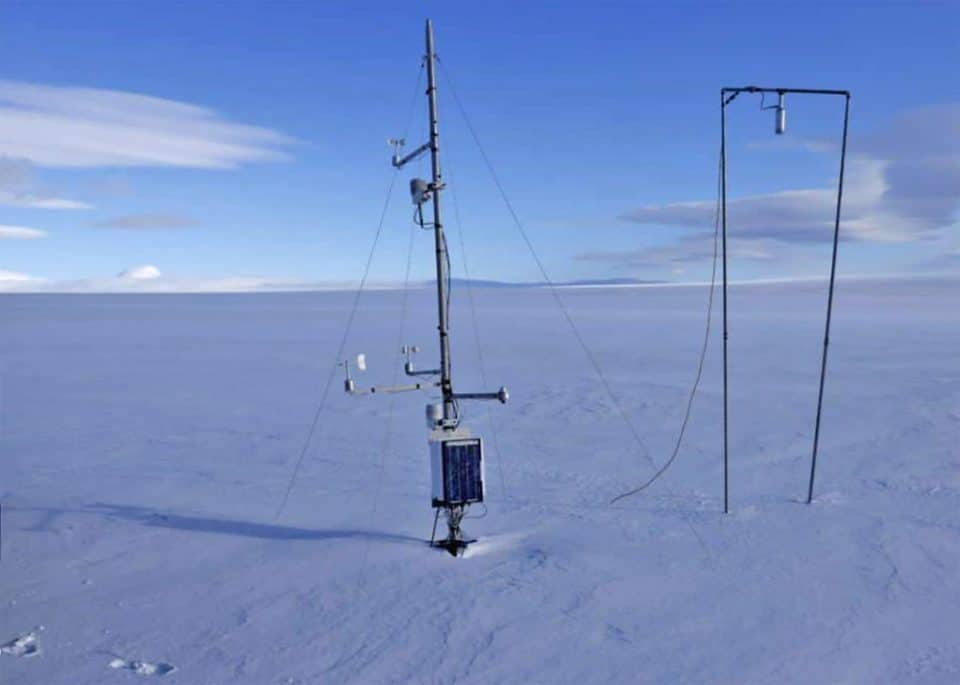
Researchers verified the results of their models using depth measurements from Iceland’s glaciers, collected by colleagues at the University of Iceland since the 1990s. Courtesy/Finnur Pálsson

AGU News:

WASHINGTON, D.C. — A region of cooling water in the North Atlantic Ocean near Iceland, nicknamed the ‘Blue Blob’, has likely slowed the melting of the Read More