Science

NIST: Proposed Updates To Steel Building Standard Could Enhance Earthquake Resilience

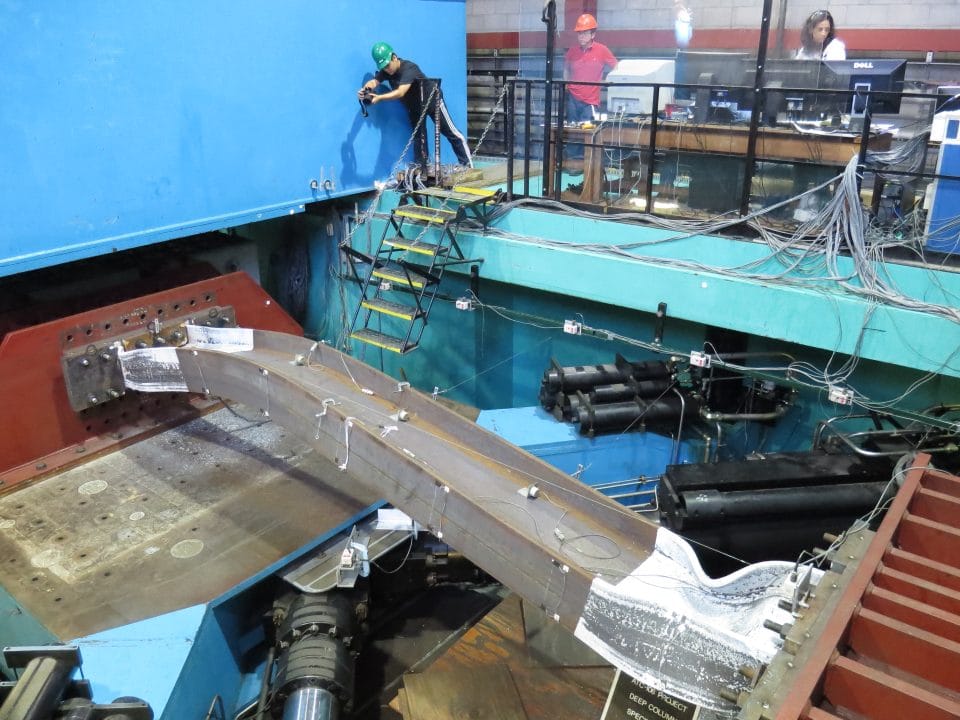
Researchers fasten 48 steel columns of varying dimensions into a hydraulic system called a shake table that thrusts one end of each column back and forth, replicating the shaking motions of an earthquake. Courtesy/UC San Diego

NIST News:

Since the mid-1990s, a type of steel column that commonly features slender cross-sectional elements has become more prevalent in buildings along the West Coast of the United States and in other seismically active regions.

Although these columns have complied with modern design standards, our understanding of how they would perform during an earthquake Read More
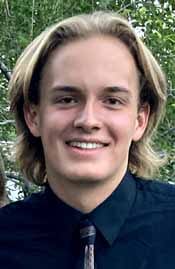
Los Alamos High School Senior Robert Strauss Named Scholar In Regeneron Science Talent Search 2022

2022 Regeneron Science Scholar Robert Strauss

SCIENCE News:

WASHINGTON, D.C. — Los Alamos High School senior Robert Strauss is among the 300 scholars named today in the Regeneron Science Talent Search, the nation’s oldest and most prestigious science and math competition for high school seniors.

Strauss submitted the project, Neuromorphic Computing: Simulating the Brain’s Visual Cortex for More Efficient Computation.

The 300 scholars and their schools will be awarded $2,000 each.  

The Regeneron Science Talent Search scholars were selected from 1,804 applications received Read More

South Dakota Mines Honors LANL’s George ‘Rusty’ Gray As A Distinguished Alumni

George ‘Rusty’ Gray

South Dakota Mines News:

RAPID CITY, S.D. — South Dakota Mines 184th commencement ceremony recognized George ‘Rusty’ Gray, a Los Alamos resident and LANL Fellow, among 10 distinguished alumni honorees from both 2020 and 2021.

Gray graduated from South Dakota Mines with a bachelor’s degree in 1976 and a master’s degree in 1977, both in metallurgical engineering. In 1981, he received a PhD in metallurgical engineering from Carnegie-Mellon University.

In 1982, he began a post-doctoral fellowship at the Technische Universitaet Hamburg-Harburg in Germany where he studied Read More

LANL Top Science Stories Of 2021

Los Alamos National Laboratory. Courtesy/LANL 

Staff Report

Despite the year’s many challenges (and, in some cases, because of them), there were some incredible scientific and technological innovations out of Los Alamos National Laboratory (LANL) in 2021.

Here’s a look back at just a few of them:

Mission to Mars!

Perseverance rover takes New Mexico to Mars
When NASA’s Mars Perseverance rover touched down on the surface of Mars on Feb. 18, a bit of New Mexico landed along with it, thanks to work done at Los Alamos National Laboratory. Watch this video to learn about the rover’s first two Read More

Year In Review: How LANL Made A Difference In 2021

Staff Report:

As 2021 came to an end, Los Alamos National Laboratory (LANL) took a look back at the ways it made a difference from boosting businesses to building an economic hub:

Boosting small businesses in New Mexico

The Lab reported in February that it awarded more than $413 million in contracts to New Mexico small businesses in fiscal year 2020. That is a 43 percent increase from the previous year. Link

Triad and union craft labor collaborate to secure continued growth and partnership

Twelve labor unions signed their collective bargaining agreements Dec. 2, completing their negotiations Read More

SFCC: Applications Open For Gene Haas Scholarship For Engineering Machining Technology AAS Students

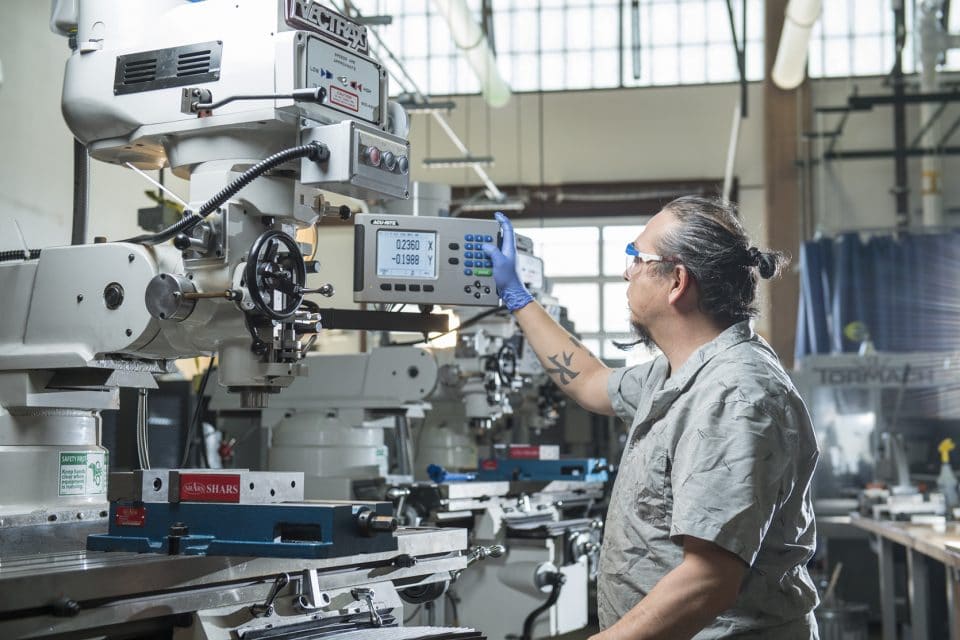
Professor Miguel Maestas in the SFCC Machining Lab. Courtesy/SFCC

SFCC News:

SANTA FE — Santa Fe Community College (SFCC) and SFCC Foundation announce the Gene Haas Scholarship is now available for SFCC Engineering Machining Technology AAS students.

Part-time students (6-11 credits) can receive a scholarship of $300 per semester, and full-time students (12 or more credits) can receive $500. New students are eligible, and continuing students must maintain a semester and cumulative GPA of 2.5.

In addition, students must: 

  • declare a major in the Engineering Machining Technology AAS
  • be
Read More

Air Force Research Laboratory Detects Moon Around Asteroid With Smallest Telescope Yet

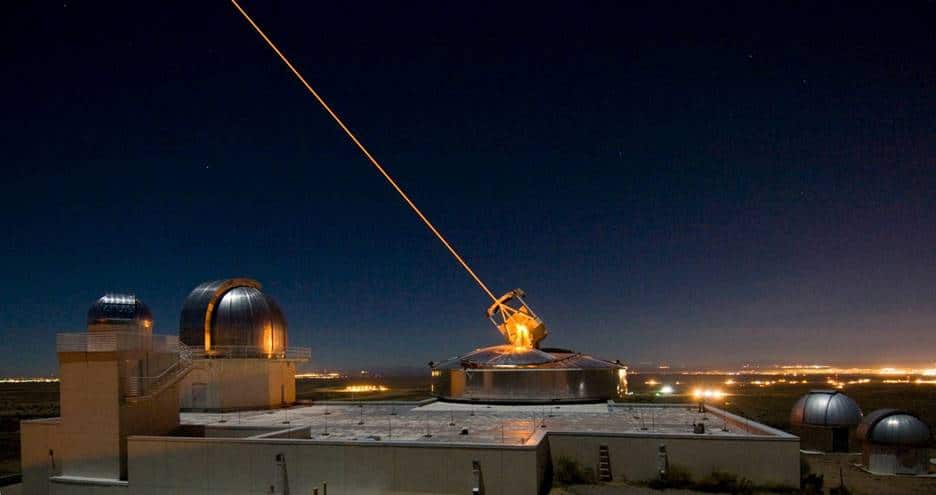
AFRL’s 3.5 meter telescope on Kirtland AFB, N.M. uses its laser to produce a guide star for a reference for adaptive optics, and previously held the record for the smallest telescope to image an asteroid’s satellite. The larger of the two domes to its left houses the 1.5 meter telescope, which now holds the record, without using a laser. Photo by Robert Fugate

By Dr. JACK DRUMMOND 
AFRL

Air Force Research Laboratory (AFRL) Starfire Optical Range (SOR)* telescope on Kirtland Air Force Base near Albuquerque, recorded an image Nov. 29, 2021, of an of asteroid (22) Kalliope and its natural satellite Read More

Los Alamos National Laboratory Launches Road Trip In 2022

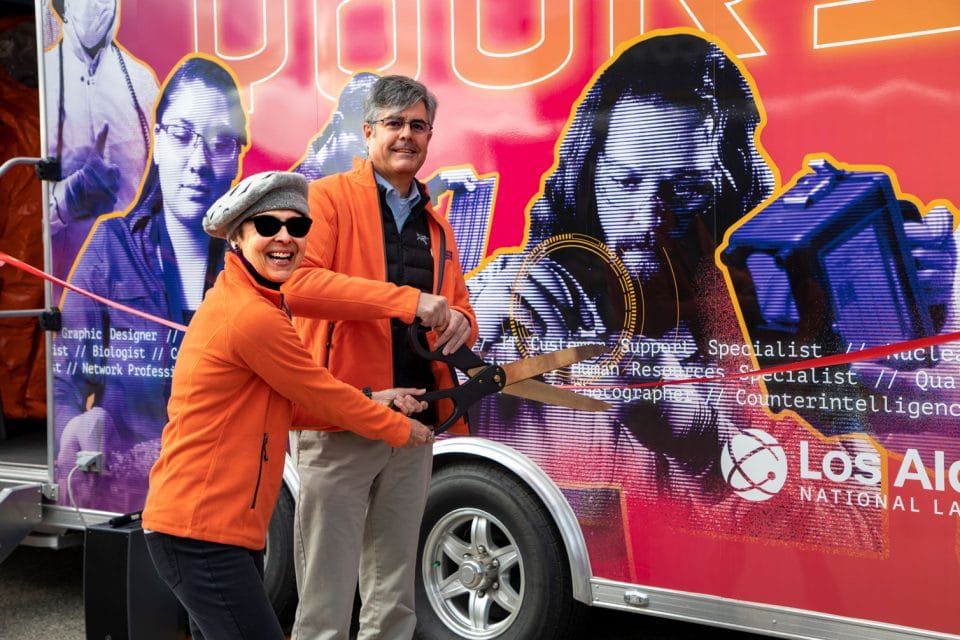
LANL Director Thom Mason holds the ribbon being cut by Bradbury Science Museum Director Linda Deck during a launch event in December at the White Rock Visitor Center. ‘The Challenge Tomorrow trailers have a lot of pizzazz,’  Mason said at the launch of the new traveling educational outreach and community engagement program. Courtesy/LANL

BRADBURY SCIENCE MUSEUM News:

  • New outreach program will hit the highway to connect communities with Lab careers

On a recent December morning, Los Alamos National Laboratory (LANL) Director Thom Mason, LANL leaders and Los Alamos County partners gathered Read More

AFRL Takes ‘STEMtoSpace’ Initiative To Students

AFRL Space Force Guardians Lt. Mary Albrecht and Lt. Chance Baxter explain the problems that must be solved before a satellite can be launched into space, to 4th graders at Sandia Base Elementary School. Courtesy/AFRL

By JOANNE PERKINS
AFRL

Members of Air Force Research Laboratory (AFRL) made stops this week at schools in the desert southwest, to put a face to the U.S. Space Force (USSF) and encourage students to consider a career in the extra-terrestrial domain.

Lt. Mary Albrecht and Lt. Chance Baxter, both Space Force Guardians, visited the 4th grade class of Amberly Reyes, at Sandia Base Elementary Read More

LANL: Estimating Strength Of Selection For COVID Variants

LANL scientists have developed methods to quantify how more or less transmissible new COVID variants are, which could have far-reaching implications for public health in terms of COVID-19 risk and vaccination levels required to obtain herd immunity. At left, frequency of the B.1.1.7 strain in the UK (black dots) with model prediction (blue line) assuming a transmission advantage of 45 percent over baseline. Courtesy/LANL

LANL News:

As the discovery of the new omicron variant illustrates, new COVID-19 variants will continue to regularly emerge. In an effort to make sense of these new variants, Read More